
Erasmusbrug, Kop van Zuid, Katendrecht & Noordereiland
Erasmusbrug
Kop van Zuid
Together with the Nieuwe Maas, these ports created a large physical distance between the city center just north of the Maas and Rotterdam South. By transforming this area into urban areas, the North and South were united.
Once you cross the Erasmus Bridge, you will find a beautiful and vibrant part of Rotterdam with plenty of (architectural) sights, activities, culture, museums, restaurants, cafes, coffee shops and markets.
For example, on the Wilhelminapier you will see the imposing building “De Rotterdam” of the famous Rotterdam architect Rem Koolhaas and the historic “New York Hotel”. In the former headquarters of the “Holland-America Line” you can spend the night in the atmosphere of the past. In addition, you will find the Nederlands Fotomuseum (Dutch Photo Museum) on the Wilhelminapier. At the end of Wilhelminapier, next to Hotel New York, you can easily reach hip Katendrecht via the Rijnhaven Bridge. The Rijnhavenbrug is also called the hooker’s bridge because of Katendrecht’s sketchy past.
Katendrecht
What was formerly Chinatown and the neighborhood for sailors and prostitutes is nowadays a hip dream destination for foodies.
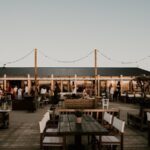
In the last few years, Schiereiland Katendrecht has evolved into one of the most vibrant areas of the city without losing its raw edges. Around the charming Deliplein, you can enjoy the nice restaurants, lunchrooms, cafés and terraces.
Housed in one of the old Fenix warehouses on the water is the Fenix Food Factory, a covered fresh market where you can shop for artisanal products – from oven-fresh bread to handmade sausage and cider. The sunshine on the terraces along the banks of the Maas is enchanting. The showpiece of the island is the ss Rotterdam, the cruise ship that in the 1960s commuted between Rotterdam and Manhattan and now has a permanent place at the head of Katendrecht.
Noordereiland
The Koninginnebrug is a bascule bridge and it lies across the Koningshaven. The bridge provides access to the Noordereiland. The Noordereiland is in the middle of the Maas. If you want to escape the hustle and bustle of the city, you should defi nitely go to this island. The Noordereiland was spared in the May 1940 bombing because the Germans were hiding here.